

Philadelphia property taxes are a major consideration for homeowners, buyers, and investors. Whether you’re purchasing your first home, managing a long-term investment, or reviewing new assessments, understanding how Philadelphia property taxes are calculated and which exemptions apply can save you thousands each year.
This guide covers 2025–2026 property tax rates, assessment updates, exemptions, appeals, and tax relief programs.
1. Philadelphia Property Tax Rates & 2025 Context
-
Current tax rate: 1.3998% (City 0.6159% + School District 0.7839%)
-
New property assessments effective: January 1, 2025
-
Average tax increase: ~$330 per year for a typical single-family home
-
Overall property value growth since 2023: +13%
These updates reflect Philadelphia’s goal of aligning property values with the current real estate market.
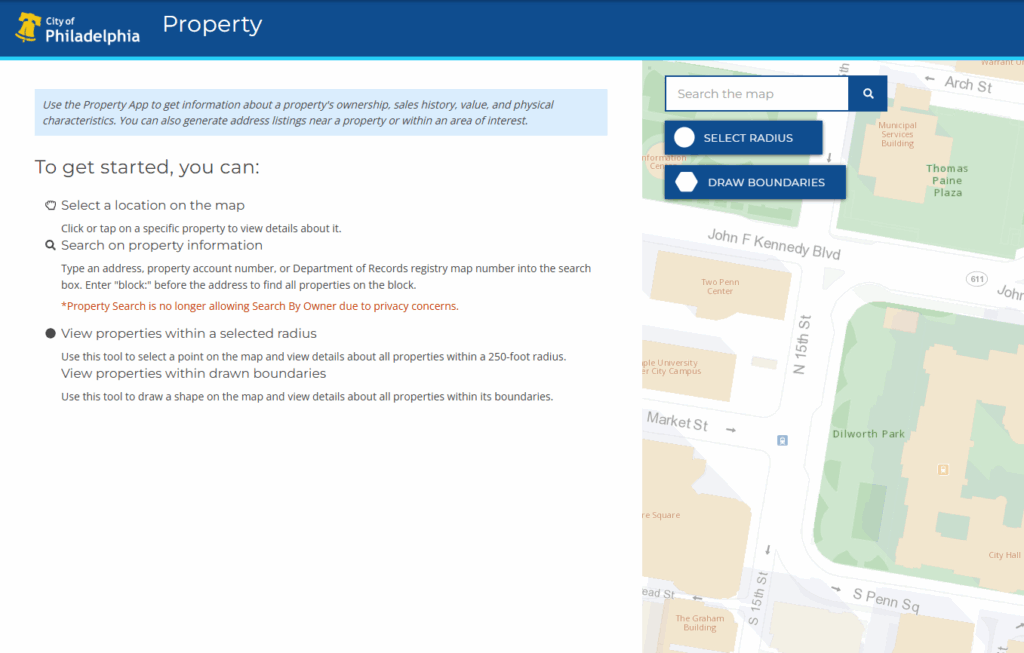
2. How to Find Your Property Assessment
To check your assessed value:
-
Enter your address to see:
-
Current assessed value
-
Prior assessments (back to 2015)
-
Property characteristics
-
Existing exemptions
-
Sales history
-
Knowing your assessment is the first step in calculating your Philadelphia property taxes accurately.
3. Philadelphia Property Tax Calculation (Estimate)
Step 1: Determine taxable valueTaxable Value = Assessed Value – Applicable Exemptions
Step 2: Multiply by the tax rateAnnual Property Tax = Taxable Value × 1.3998%
Example:
-
Assessed Value: $300,000
-
Homestead Exemption: $100,000
-
Taxable Value: $200,000
-
Annual Property Tax: $200,000 × 0.013998 = $2,799.60
Without exemptions: $300,000 × 0.013998 = $4,199.40
4. Philadelphia Property Tax Exemptions & Relief Programs
Homestead Exemption:
-
Reduces taxable value by $100,000
-
Must be primary residence
-
Apply by December 1
Longtime Owner Occupants Program (LOOP):
-
Caps increases if assessments jump 50%+ in one year or 75%+ in five years
-
For owners living in property 10+ years
Senior / Low-Income Tax Freeze:
-
Freezes taxes for eligible seniors or low-income owners
-
Income limits: $33,500 (single), $41,500 (married)
Owner-Occupied Payment Agreement (OOPA):
-
Allows monthly payments for past-due taxes to avoid penalties or foreclosure
Note: Homes with a 10-year tax abatement cannot claim Homestead Exemption until abatement ends.
5. What Influences Your Property Assessment
The Office of Property Assessment (OPA) uses mass appraisal methods to value all properties. Factors include:
-
Size, age, and condition of the property
-
Neighborhood and location
-
Recent sales of comparable properties
-
Field inspections, aerial photography, permit and deed records
Commercial and multi-family properties also consider income and operational costs.
How to Appeal Your Assessment
If your assessment seems too high:
-
File an Informal First Level Review (FLR) after your valuation notice.
-
Submit a formal appeal to the Board of Revision of Taxes (BRT) by the first Monday in October.
-
In special circumstances, a nunc pro tunc appeal may be allowed with justification.
Deadlines are strict—missing them can prevent corrections to your Philadelphia property taxes.
Other Considerations
-
No change to tax rate: 1.3998%
-
Transfer tax increase (July 1, 2025): 4.578% (City 3.578% + State 1%)
-
Commercial properties: Some tall buildings saw lower assessments due to market conditions
10-Year Tax Abatement: New construction or major renovations pay taxes only on land value during the abatement period, which can save tens of thousands.
FAQ – Philadelphia Property Taxes
Q: When are property taxes due?
A: March 31 each year. Lenders may pay via escrow.
Q: Will I automatically get the Homestead Exemption?
A: No, you must apply. Once approved, it continues unless your occupancy changes.
Q: How does reassessment affect my taxes?
A: Tax depends on assessed value, exemptions, and the 1.3998% rate.
Q: Can new construction receive tax breaks?
A: Yes. The 10-Year Tax Abatement applies taxes only to land value for 10 years.
Final Thoughts
Philadelphia property taxes don’t have to be confusing. Key steps for homeowners:
-
Check your assessment annually
-
Apply all eligible exemptions and relief programs
-
Calculate your bill using the 1.3998% rate
-
Appeal if your assessment seems too high
-
Stay informed on abatements, transfer taxes, and special rules
With the right approach, you can reduce your Philadelphia property taxes and protect your homeownership budget.