How to Spot a Great Investment Property in Philadelphia
If you’re thinking about investing in Philadelphia PA real estate, it’s easy to assume a property is a good deal just because it looks nice or is in a popular area.
But here’s the reality:
👉 A great investment property is not about appearance—it’s about performance.
Whether you’re a first-time buyer or experienced investor, understanding how to evaluate a deal properly will help you avoid costly mistakes and build long-term wealth.
What Is an Investment Property?
An investment property is real estate purchased to:
Generate rental income
Increase in value over time
This could be a single-family home, multi-unit property, or even a condo. The goal is simple: cash flow + appreciation.
Philadelphia offers a wide range of property types, and each comes with trade-offs.
Common options:
Single-Family Homes
Easier to manage
Lower maintenance complexity
Usually lower rental income
Multi-Unit Properties (Duplex/Triplex)
Higher income potential
Multiple income streams reduce risk
More hands-on management
Condos / HOA Properties
Lower maintenance
HOA fees reduce profit margins
Rental rules may apply
💡 Choose a property that matches your:
Budget
Time commitment
Long-term investment goals
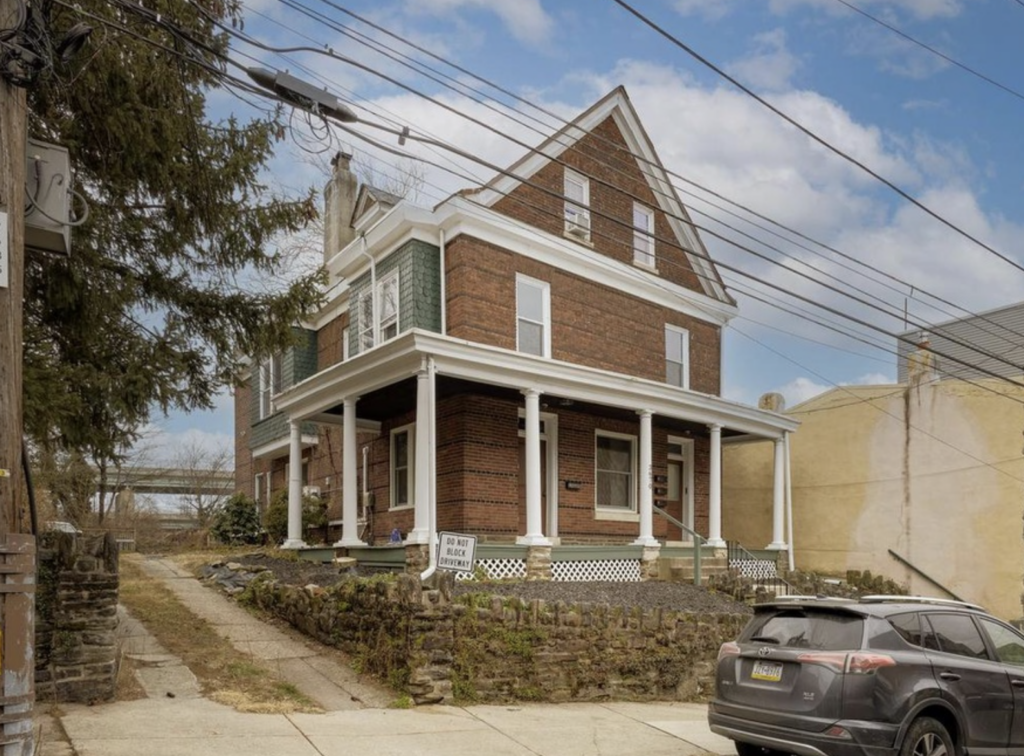
With the help of realtor Jenna Ferreri, our investor clients secured this move-in-ready 6 bed, 3,216 sq ft quadruplex in East Falls.
✔️ Won a bidding war
✔️ 3 off-street parking spaces (rare for East Falls)
✔️ 5% seller assist ($35,000)
3. Run the Numbers Before You Buy
This is where most investors make mistakes. A property might look like a deal—but if the numbers don’t work, it’s not an investment.
Price-to-Rent Ratio
This helps you quickly evaluate if a property makes sense.
Formula: Home Price ÷ Annual Rent
Example: $300,000 ÷ $24,000 = 12.5
How to interpret it:
Under 15 → Strong investment potential
15–20 → Moderate
Over 25 → Likely overpriced
Return on Investment (ROI)
This shows how much profit you’re making on your money.
Formula: (Net Profit ÷ Total Investment) × 100
Example: $5,000 ÷ $50,000 × 100 = 10% ROI
Always include these expenses:
Property taxes (important in Philadelphia)
Insurance
Maintenance and repairs
Vacancy (plan for 5–10%)
Property management (if needed)
⚠️ Pro tip: Always calculate conservative numbers, not best-case scenarios.
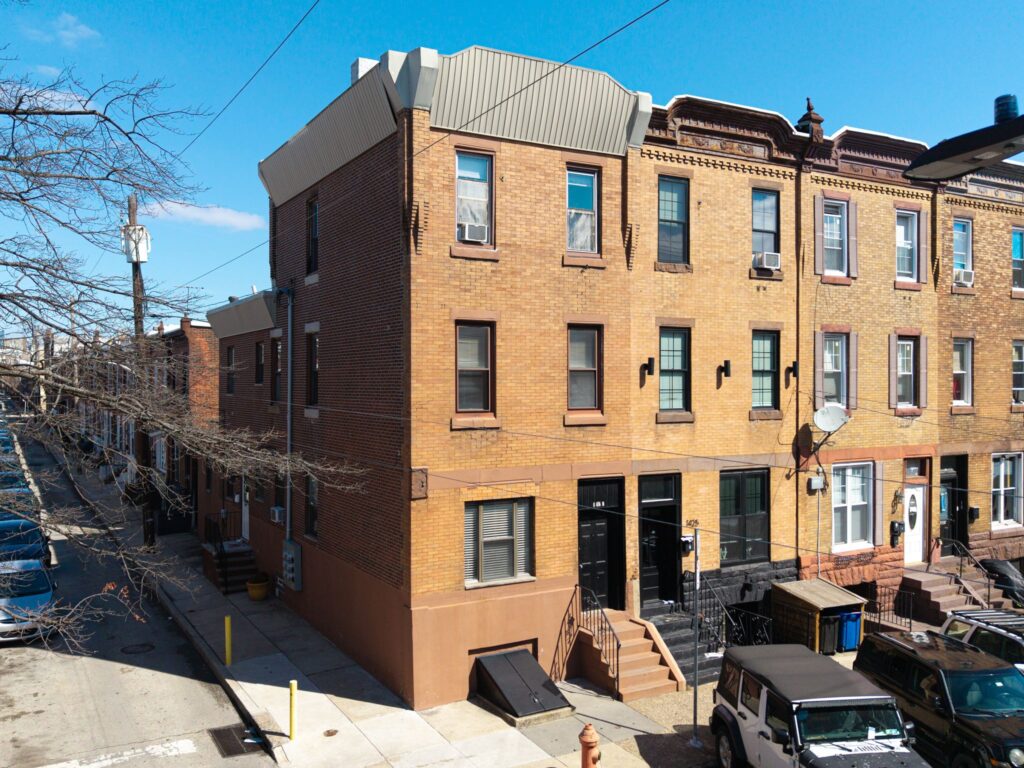
NOW ON THE MARKET! A rare 5-unit multifamily opportunity in South Philly, just steps from Passyunk Ave — offering strong rental demand, updated units, and clear upside potential for investors.
✔ Located in a high-demand area ✔ Close to transportation, jobs, or schools ✔ Numbers work with conservative estimates ✔ Property type fits your strategy ✔ You understand local regulations ✔ You have more than one exit strategy
If all of these check out—you’re likely looking at a strong deal.
Work with local experts who know the market
Finding the right investment property in Philadelphia is easier when you have local insight.
👉Reach out to the Venture Philly Team for insider insights, real-time market knowledge, and a curated list of available properties across Philadelphia neighborhoods that match your goals.
Whether you’re just getting started or scaling your portfolio, working with experienced real estate agents in Philadelphia PA can help you identify opportunities you might otherwise miss.