

Aging in place means staying in your home safely and comfortably as your needs change. In Philadelphia, this has long been a practical reality—not a trend—and it continues to influence housing choices, home design, and property values across the city.
To better understand how homeowners plan ahead, we spoke with Matt Bigelow, an aging in place real estate specialist and Certified Aging-In-Place Specialist (CAPS), who helps clients make informed decisions about home modifications and long-term living.
For homeowners, buyers, and investors, understanding aging in place in Philadelphia is essential.
What Makes a Home Good for Aging in Place?
Homes designed for aging in place focus on safety, comfort, and flexibility—without feeling institutional.
Common aging-in-place features include:
Step-free entrances
Wider doorways and hallways
Lever-style door handles and easy-to-use light switches
Better lighting throughout the home
Walk-in showers, grab bars, and non-slip bathroom floors
First-floor bedrooms or space for a future elevator or lift
Many of these upgrades are simpler and more affordable than people expect, especially when done gradually. Organizations such as AARP, NAHB, and InterNACHI emphasize that many of these upgrades are modest in cost yet dramatically reduce fall risk and improve long‑term usability (AARP HomeFit Guide; NAHB Aging‑In‑Place Remodeling Checklist).
Policy, Design, and Market Trends Supporting Aging in Place
Several trends are making it easier for Philadelphians to age in place:
New homes are being built with step-free entrances and basic accessibility in mind. Universal design features are now seen as a plus, not a downside
FHA 203(k) and Title I loans help homeowners pay for accessibility upgrades. For renovation financing, we recommend Paul Davis with Movement, who specializes in renovation loans designed to make accessibility upgrades more affordable and achievable.
PACE programs support seniors by combining housing help with healthcare and services.
From a real estate standpoint, homes that work for aging in place appeal to seniors, families planning ahead, and multigenerational households.
That broader appeal helps protect long-term value. A local Philadelphia agent familiar with aging-in-place trends can help buyers and sellers navigate this growing demand with confidence.
Philadelphia Programs That Help Seniors Stay in Their Homes
For homeowners who want to remain in their current homes, local programs play a key role in making aging in place safer and more affordable.
Senior Housing Assistance Repair Program (SHARP)
Run by the Philadelphia Corporation for Aging (PCA), SHARP helps residents age 60 and older with minor home repairs and accessibility improvements—often at little or no cost.
Adaptive Modifications Program (AMP)
AMP supports low-income residents with permanent disabilities by funding home modifications that improve accessibility and safety.
PHDC & City Repair Programs
The Philadelphia Housing Development Corporation offers repair and rehabilitation programs that may include accessibility upgrades for eligible homeowners.
Together, these programs help reduce displacement, protect housing stability, and allow long-time residents to remain safely and comfortably in their homes as they age.
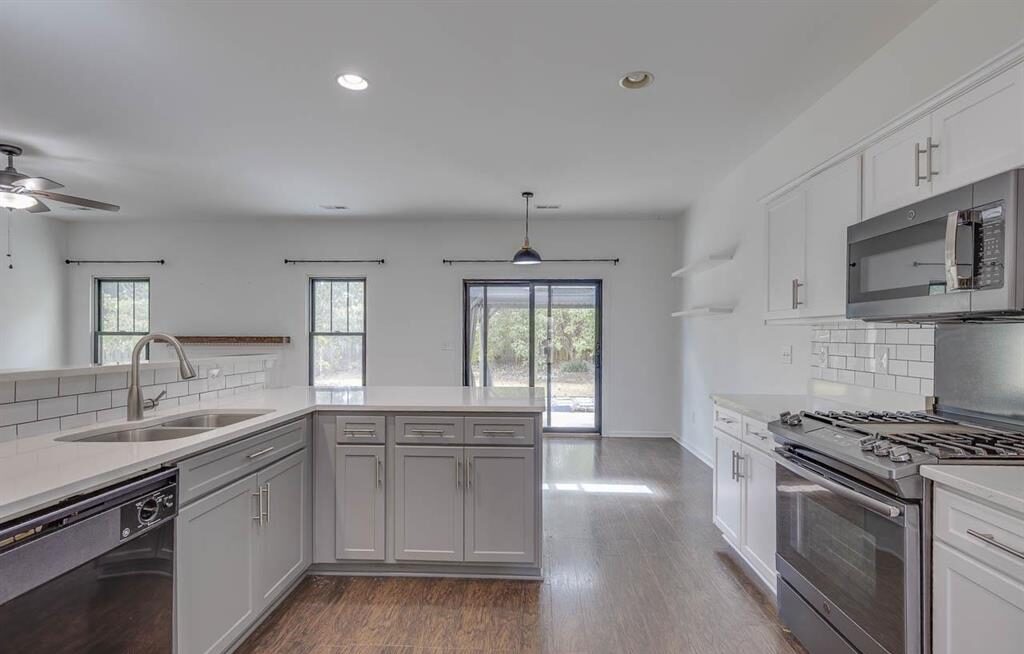
How Much Does It Cost to Age in Place?
The cost of aging in place depends on how many changes are needed.
Here’s a rough breakdown:
-
Small upgrades (grab bars, lighting, lever handles): $500–$3,000
-
Bathroom modifications (walk-in shower, safety features): $5,000–$15,000
-
Larger renovations (ramps, stair lifts, first-floor bedroom conversions): $10,000–$40,000+
While these costs can add up, they are often much lower than assisted living or nursing home expenses, which can exceed $60,000 per year.
A knowledgeable aging in place real estate agent can help homeowners decide whether upgrading makes sense—or if moving to a more suitable home is the better long-term option.
What Are the Disadvantages of Aging in Place?
While aging in place has many benefits, it’s not perfect for everyone.
Some common challenges include:
-
Upfront renovation costs
-
Older homes may be difficult to modify, especially historic properties
-
Limited access to care compared to senior living communities
-
Home maintenance can become overwhelming over time
-
Social isolation if mobility becomes limited
That’s why planning early is key. In the Philadelphia real estate market, choosing the right home—or the right time to downsize—can make aging in place much easier and safer.
Does Medicare Cover Aging in Place?
This is one of the most common questions homeowners ask.
Medicare may cover:
-
Short-term in-home medical care
-
Physical therapy
-
Certain medical equipment (like walkers or hospital beds)
Some homeowners may qualify for:
-
Medicaid programs
-
Local or state assistance grants
-
Nonprofit or city-based home repair programs in Philadelphia
An experienced aging in place real estate agent can often connect clients with local resources while helping them evaluate housing options.
Top Philadelphia Neighborhoods for Older Adults
Based on 2025 data, several Philadelphia neighborhoods stand out for older adults who want to stay active, connected, and independent.
Chestnut Hill
Often called a “village in the city,” Chestnut Hill neighborhood is very walkable and centered around Germantown Avenue for shopping, dining, and daily needs.
Society Hill & Fitler Square
These neighborhoods offer quiet streets, easy walking, and close access to parks like Washington Square and the Schuylkill River Trail.
Mount Airy (East & West)
Known for green spaces and community feel, Mount Airy offers accessible single-family homes and strong local support organizations.
Northeast Philadelphia
Areas like Fox Chase and Pennypack Park are popular for affordable housing and a higher concentration of senior-friendly communities.
Why cities like Philadelphia work well for aging in place?
Philadelphia’s neighborhoods support aging in place by prioritizing walkability, access, and convenience over car dependence. Public transit, nearby healthcare, and everyday services make it easier to stay independent.
Cities also offer more housing options, built-in social connection, and access to local support programs—allowing residents to adapt gradually without needing to move as their needs change.
Conclusion
As more residents plan to stay in their homes longer, features like accessibility, walkability, and flexible layouts are becoming essential. Homes that can adapt over time not only support comfort and independence, but also hold their value and appeal to a wider range of buyers. In a city with older housing stock like Philadelphia, planning ahead makes a real difference.
If you’re looking to buy a home that fits aging-in-place needs—or want to explore renovation options to make your current home work long term—we’re here to help. Contact us to find the right home or understand which upgrades make the most sense.