
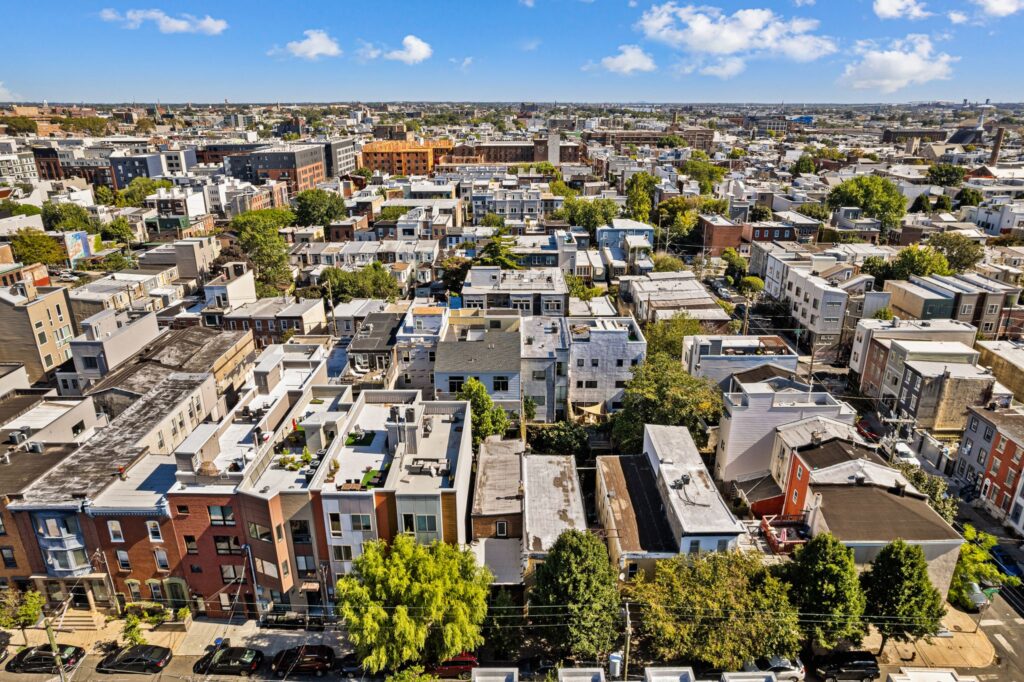
Owning a home in Philadelphia comes with unique tax considerations—especially when it comes to Philadelphia property taxes, state rules, and local homeowner programs. While not every homeowner qualifies for every deduction, understanding what’s available can help Philadelphia homeowners make smarter financial decisions.
Below are 8 important tax deductions and tax-related benefits to know if you own a home in Philadelphia PA real estate in 2026.
1. Mortgage interest deduction
One of the biggest tax benefits of owning Philadelphia real estate is the mortgage interest deduction. Homeowners who itemize deductions may be able to deduct interest paid on a loan used to:
- Buy a home
- Build a home
- Substantially improve a home
This applies to:
- Primary residences
- Second homes (if IRS requirements are met)
Current limits:
- Interest deductible on up to $750,000 of mortgage debt
- $375,000 if married filing separately
Because home prices in Philadelphia PA real estate are often higher than national averages, this deduction can be especially valuable.
2. Home equity loan or HELOC interest
Many Philadelphia real estate owners use home equity loans or HELOCs to fund renovations. Interest may be deductible only if the funds are used to buy, build, or substantially improve the home securing the loan.
Using home equity for personal expenses (travel, credit cards, tuition) generally does not qualify for a deduction. This benefit is most useful for homeowners investing back into their Philadelphia PA real estate property.
3. Mortgage insurance (PMI) deduction is back
The Big Beautiful Bill, passed in 2025, reinstates the federal deduction for private mortgage insurance (PMI).
The federal mortgage insurance (PMI) deduction has been reinstated, allowing eligible homeowners to deduct qualified mortgage insurance premiums as part of mortgage interest.
PMI is common in Philadelphia real estate purchases where buyers put down less than 20%. This deduction can be especially helpful for:
- First-time buyers
- Buyers entering the Philadelphia PA real estate market with smaller down payments
Income limits apply, so eligibility varies.
4. Philadelphia property taxes (SALT deduction)
Philadelphia property taxes are based on assessed value and represent one of the largest recurring costs of owning a home. These taxes may be deductible under the federal State and Local Tax (SALT) deduction.
Recent federal law increased the SALT cap to $40,000, making this deduction significantly more impactful for homeowners in higher-tax cities like Philadelphia.
Philadelphia’s property tax rate is set by the city and applied uniformly, making property taxes one of the most significant recurring costs of homeownership in Philadelphia.

5. Homestead Exemption (Philadelphia-specific)
The Philadelphia Homestead Exemption is one of the most valuable local benefits for Philadelphia PA real estate owners.
It:
- Reduces the taxable assessed value of an owner-occupied primary residence
- Directly lowers annual Philadelphia property taxes
This is not an income tax deduction, but it provides immediate and ongoing tax savings for eligible homeowners. Applications are handled through the City of Philadelphia.
6. Necessary home improvements for medical or accessibility reasons
Some home improvements may qualify as deductible medical expenses if they are made for health or mobility needs.
Examples relevant to aging in place in Philadelphia include:
- Installing wheelchair ramps or stair lifts
- Widening doorways
- Adding handrails or accessible bathrooms
While subject to income thresholds and strict documentation rules, these improvements can support aging in place while offering potential tax relief for Philadelphia real estate owners.
7. Home office deduction (self-employed only)
Self-employed homeowners in Philadelphia PA real estate may qualify for the home office deduction if part of their home is used regularly and exclusively for business.
Two methods are available:
- Simplified method: $5 per square foot (up to $1,500)
- Actual expense method: deduct a percentage of mortgage interest, utilities, insurance, and related costs
This deduction does not apply to W-2 employees working remotely.
8. Capital gains exclusion when selling a primary residence
When selling a primary residence, Philadelphia real estate owners may be able to exclude:
- Up to $250,000 in capital gains (single filers)
- Up to $500,000 (married filing jointly)
To qualify, you must have owned and lived in the home for at least two of the last five years.
In appreciating Philadelphia PA real estate neighborhoods, this exclusion can significantly reduce — or eliminate — taxes owed at sale
The bottom line
Tax deductions, city-specific benefits, and new legislation like the Big Beautiful Bill can make a big difference in the cost of owning a home in Philadelphia. Key takeaways:
-
Mortgage interest, PMI (2026+), and property tax relief programs are often the most impactful
-
Capital gains exclusions help when selling your home
-
Historic home incentives and energy-efficient upgrades can offset renovation costs and preserve the unique character of Philadelphia neighborhoods
-
Planning for aging in place can save money and improve long-term quality of life
Working with a licensed tax professional and an experienced Philadelphia real estate agents can help you take full advantage of these opportunities.
*** This article is for informational purposes only and is not tax or legal advice. Always consult a licensed professional regarding your individual circumstances.