

If you are getting ready to sell a house in Philadelphia, you may be wondering: Should I renovate before putting my home on the market?
In many cases, you do not need a major remodel.
Philadelphia has everything from classic rowhomes and condos to older properties and beautiful historic homes. What works for a newer suburban house does not always make sense in the city. A smarter approach is often to fix important problems, refresh dated spaces, improve the home’s presentation, and preserve the original character that makes the property special.
Before spending thousands of dollars, talk with an experienced Philadelphia real estate agent who understands your neighborhood, property type, and what other Philadelphia homes for sale are offering.
Is a Pre-Listing Inspection Worth It in Philadelphia?
A pre-listing inspection can be especially helpful when selling an older Philadelphia home. It can uncover potential problems before a buyer finds them.
Local inspection companies currently quote roughly $400–$600 for many Philadelphia pre-listing inspections, depending on the home’s size, age, and additional services.
That can be a relatively small expense compared with having a transaction fall apart after the home is already under contract.
For example, imagine your Philadelphia rowhome goes under contract quickly. A week later, the buyer’s inspection discovers water intrusion, an electrical problem, a roof issue, plumbing concerns, or another condition you did not know about. The buyer could ask you to make repairs, renegotiate the price, or terminate the contract.
You can fix the problem and put the home back on the market, but you may have already lost valuable time. Buyers may also wonder why the property came back on the market.
A pre-listing inspection is not necessary for every seller, but it can give you more control over repairs, disclosures, pricing, and timing. Pennsylvania also requires sellers to disclose known material defects that are not readily observable.
Refresh Your Philadelphia Home Without Removing Its Character
One of the biggest mistakes sellers can make is renovating an older Philadelphia home until everything that made it interesting is gone.
Many Philadelphia rowhomes and historic properties have details that would be difficult or expensive to recreate, including:
- Original hardwood floors
- Detailed woodwork
- Mantels and fireplaces
- Transoms
- Exposed brick
- Marble steps
- Cornices
- Decorative railings
- Traditional doors and windows
Before replacing these features, ask whether they can simply be cleaned, repaired, refinished, or incorporated into a more updated design.
For example:
- Refinish original hardwood instead of covering it.
- Repair attractive wood trim instead of replacing it with basic new molding.
- Clean exposed brick when it is in good condition.
- Refresh an original mantel rather than removing it.
- Update lighting around historic details.
- Paint walls without covering original wood features.
- Repair an older front door when practical instead of replacing it with something that does not match the home.
Philadelphia’s historic properties are part of what gives many neighborhoods their unique character. If you are selling one of the city’s historic homes, the goal should be to update the property without stripping away its personality.
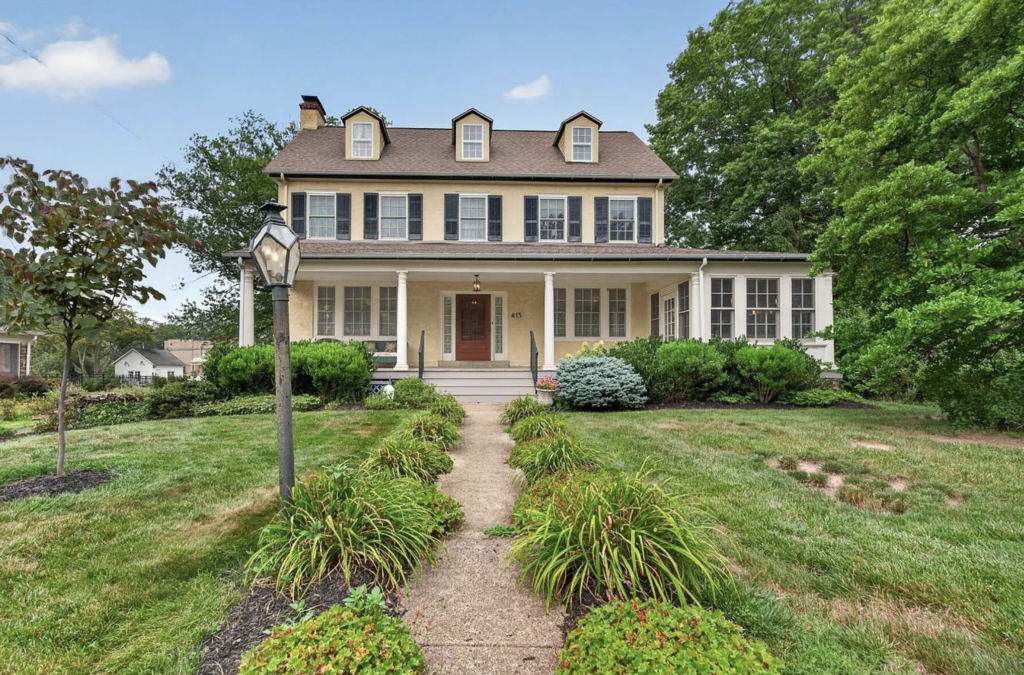
Declutter, Deep Clean, and Brighten the House
Philadelphia rowhomes can be long and narrow, so clutter and dark finishes can make rooms feel smaller than they really are.
Before considering major construction, start with simple improvements:
- Remove excess furniture.
- Declutter shelves and countertops.
- Deep clean the kitchen and bathrooms.
- Wash the windows.
- Touch up walls and trim.
- Replace burnt-out light bulbs.
- Add better lighting to darker areas.
- Use lighter, coordinated paint where needed.
- Repair cracked caulk, loose hardware, and other small visible issues.
You do not have to turn an older Philadelphia home into an all-white box. Neutral walls can help brighten a narrow home while original wood floors, brick, fireplaces, doors, and architectural details keep the space from feeling generic.
Is Staging Worth It for a Philadelphia Home?
Staging can be especially helpful in Philadelphia because many rowhomes have narrow rooms, open first floors, small bedrooms, or spaces that may not have an obvious purpose.
The National Association of REALTORS® found that 83% of buyers’ agents said staging made it easier for buyers to visualize a property as their future home. Almost half of sellers’ agents also said staging reduced time on the market.
You may not need full professional staging.
Sometimes the best approach is simply removing oversized furniture and arranging what remains to show buyers how a narrow living room, dining area, second bedroom, or finished basement can actually function.
Vacant homes and homes with unusual layouts may benefit more from professional or virtual staging.
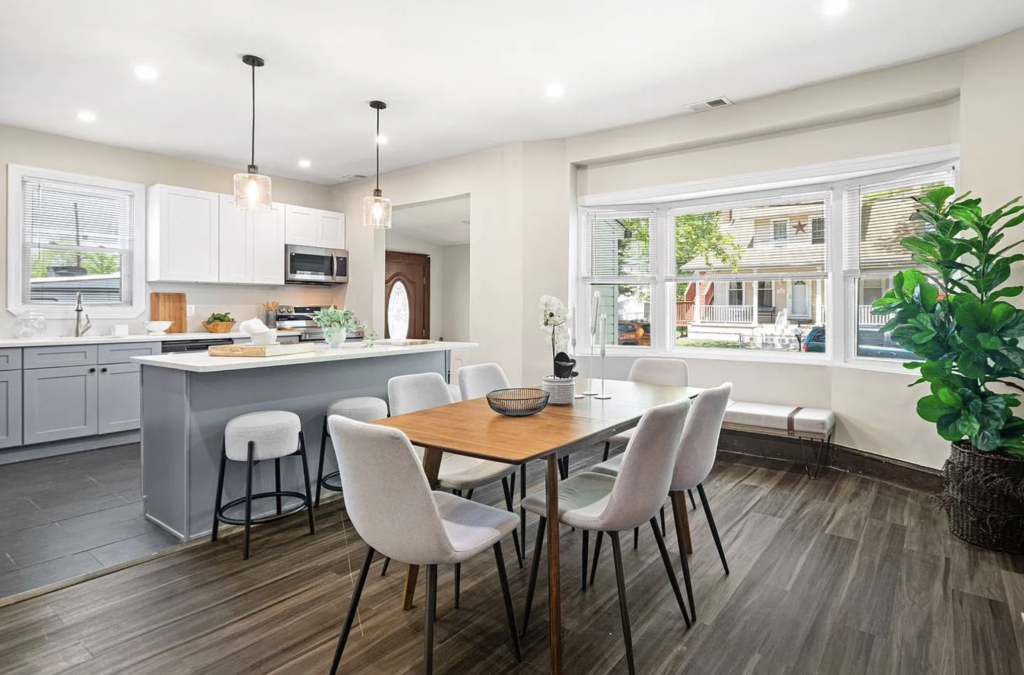
Curb Appeal Looks Different With a Philadelphia Rowhome
For a Philadelphia rowhome, curb appeal usually is not about a large lawn or elaborate landscaping.
Your front façade is your curb appeal.
Pay attention to:
- Front door
- Stoop and steps
- Railings
- Brick and masonry
- Cornice
- Windows and trim
- Exterior lighting
- House numbers
- Small planters or window boxes
- Clean sidewalks and entry areas
A freshly painted door, cleaned brick, repaired railing, or attractive exterior light can make a noticeable difference without changing the character of the home.
If your property is historically designated, be careful before replacing windows, doors, masonry, cornices, or other exterior features. Check the home’s historic status before starting exterior work.
This is especially important if you are selling one of Philadelphia’s historic homes, where preserving original details may be part of the property’s appeal.
Which Home Improvements Have the Best ROI in Philadelphia?
When preparing a home for sale, smaller, visible improvements can make more sense than expensive renovations.
The 2025 Cost vs. Value Report for Philadelphia estimated:
- Steel entry door replacement: 252.8% cost recouped
- Garage door replacement: 257.2% where applicable
- Minor midrange kitchen remodel: 113%
- Fiber-cement siding replacement: 109.2%
Of course, a garage door replacement does not apply to many Philadelphia rowhomes, and siding or other exterior treatments may not be appropriate for a historic property.
The bigger lesson is this: Do not choose a renovation simply because it has a high ROI. Choose improvements that make sense for your specific Philadelphia property.
For many city sellers, refreshing the entry, repairing original features, improving lighting, refinishing floors, and making a dated kitchen feel more current may be a better use of money than undertaking major construction.
Is Hiring the Right Philadelphia Real Estate Agent Worth It?
Yes—especially because selling a Philadelphia rowhome, historic property, condo, or newer construction can require very different strategies.
When interviewing Philadelphia realtors, look beyond the commission. Ask questions such as:
- How should I prepare this particular property?
- Which original features should I keep?
- Which updates are actually worth the money?
- How will the home be photographed?
- How will you market the neighborhood and lifestyle?
- How will my home compete with similar Philadelphia homes for sale?
- How familiar are you with older homes or condo transactions?
- How will you communicate listing performance to me?
Professional presentation matters. NAR reports that 81% of buyers consider listing photos the most useful feature when searching for homes online.
A good Philadelphia real estate agent should understand both sides of the property: the updates buyers expect today and the character that makes the home worth buying.
They should also understand what makes different Philadelphia good neighborhoods attractive to buyers and how to market the lifestyle around the property—not just the house itself.
Final Thoughts:
When selling a home in Philadelphia, the best improvement is not necessarily the newest or most expensive one.
Start with important repairs. Clean and declutter. Improve lighting. Refresh the paint. Make the kitchen and bathrooms feel well maintained. Take care of the entry and façade.
But before ripping out an old mantel, covering original floors, removing a cornice, replacing traditional doors, or completely changing a historic façade, ask whether that feature is actually part of what makes the home valuable.
Philadelphia buyers are not always looking for a brand-new house. Sometimes they are looking for an older Philadelphia home that has been cared for, thoughtfully updated, and made comfortable for modern life.
Whether you are preparing one of the city’s historic homes or getting ready to list a modern condo, the goal is the same: good condition, thoughtful updates, strong presentation, and smart marketing.
That balance can help you spend your pre-listing budget where it matters most—and make your home stand out among Philadelphia homes for sale.