

Property taxes are one of the most important ongoing expenses for Philadelphia homeowners. Whether you’re buying your first home, upgrading to a new construction property, or managing long-term ownership, understanding Philadelphia property taxes, how they are calculated, and what exemptions are available can help you save money and avoid costly mistakes.
How Are Philadelphia Property Taxes Calculated?
In Philadelphia, property taxes are calculated by multiplying your home’s assessed value by the city’s tax rate, which is currently 1.3998%.
- Assessed value: Determined by the City of Philadelphia based on market trends, neighborhood characteristics, and property size and condition.
- Tax calculation example: If your home’s assessed value is $250,000:
$250,000 × 1.3998% = $3,499.50 per year
Assessments are conducted in bulk, so mistakes can happen. If your property is overvalued, you can appeal your Philadelphia property taxes through the city.
How Are Property Taxes Paid in Philadelphia?
- With a mortgage: Most homeowners pay their property taxes through escrow, meaning your lender collects and pays the city directly.
- Without a mortgage: You must pay your annual property taxes by March 31st. Missing this deadline can result in penalties, interest, and potentially foreclosure.
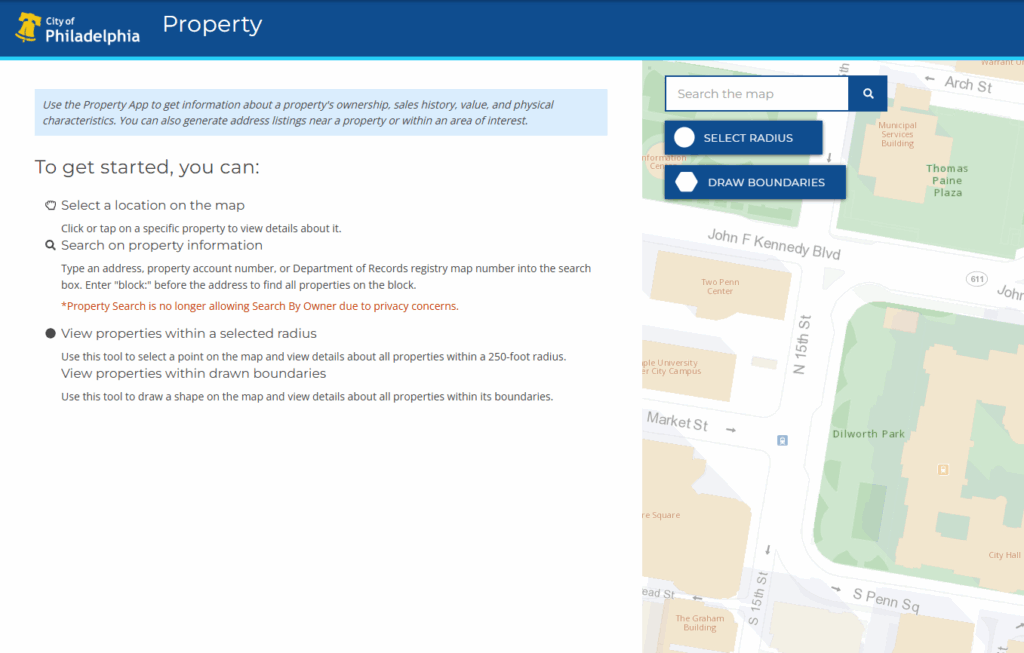
Check your current tax balance anytime at phila.gov.
The 10-Year Tax Abatement in Philadelphia
The Philadelphia 10-Year Tax Abatement, introduced in 2000, was designed to encourage new construction and renovations—revitalizing neighborhoods and improving housing affordability.
Applications submitted before that date follow the original rules, granting 100% abatement for the full 10 years.
This program has played a major role in making homes more affordable and fueling growth in the Philadelphia real estate market.
What Buyers Need to Know About Tax Abatements
-
-
Confirm the builder has proper abatement permits
Before closing, make sure the builder has applied for and received the correct tax abatement permits from the City of Philadelphia. Without these, your home will not qualify. -
Ensure your agreement of sale mentions the 10-Year Tax Abatement
This should be clearly stated in writing so there’s no confusion later. As Philadelphia real estate agents, we also call the Office of Property Assessment (OPA) to confirm that the builder’s permits are valid. -
Verify all transfer documents at closing
At settlement, you’ll receive documentation confirming the abatement eligibility. Double-check this with your real estate agent or closing attorney. -
Apply for the abatement yourself after closing
Within a few weeks of settlement, new homeowners must submit the tax abatement application to City Of Philadelphia Office of Property Assessment (OPA) using the form provided at closing. The abatement does not start automatically, you must apply!
How the Abatement Works (Post-2022 Changes)
-
Year 1: 100% of the improvement value is abated.
-
Years 2–10: The abatement decreases by 10% each year until it phases out.
-
New construction: Taxes are paid only on the land value during the abatement period.
-
Rehab projects: Taxes are paid only on the pre-renovation value for 10 years.
This program can save Philadelphia homeowners tens of thousands of dollars over the abatement period, but only if the proper steps are followed.
-
Seller Benefits
Homes with remaining abatement years often sell for higher prices, as buyers value the lower Philadelphia property taxes.
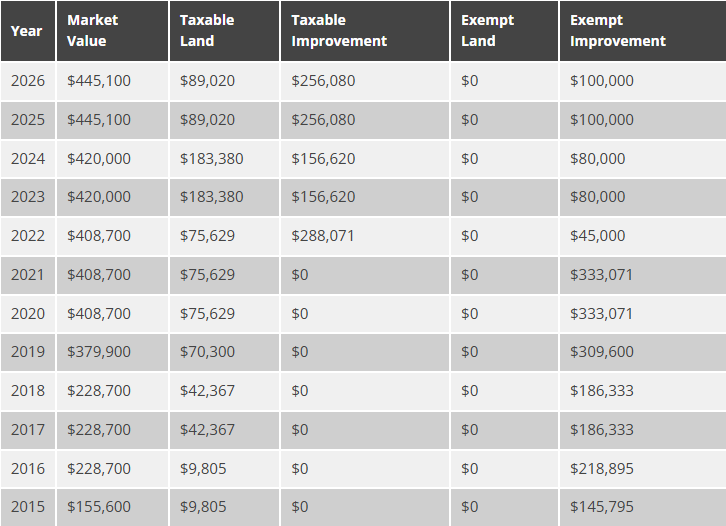
The picture shows the 10-Year Tax Abatement ending in 2021. For a decade, the owner paid Philadelphia property taxes only on land value, saving thousands. After the abatement, the full property value became taxable, sharply raising taxes. In 2022, the homeowner applied for the Homestead Exemption, which lowered the bill but was still higher than during the abatement years.
Programs to Reduce Philadelphia Property Taxes
Homestead Exemption:
-
- Reduces your taxable value by up to $100,000. Available to homeowners who use the property as their primary residence. Estimated savings with homestead exemption: $1,399.80 per year.
Longtime Owner Occupants Program (LOOP):
-
- Caps annual property tax increases for homeowners of 10+ years. This program provides relief by capping the amount by which your property tax can increase each year. Essentially, it limits the annual increase in your property taxes
Senior Citizen Real Estate Tax Freeze:
-
- Freezes property taxes for homeowners 65+ (or widows 50+), which means your property taxes won’t increase even if your home’s assessed value goes up.
- Income limits: $33,500 (single), $41,500 (married)
- Owner-Occupied Real Estate Tax Payment Agreement (OOPA):
Helps homeowners catch up on back taxes through affordable monthly payments. This program is designed for homeowners who reside in their property and are behind on their property taxes.
Final Thoughts on Philadelphia Property Taxes
Understanding Philadelphia property taxes is key to keeping homeownership affordable. From the 10-Year Tax Abatement to the Homestead Exemption, these programs can save you thousands… but only if you apply. There are no automatic savings by default.
If you’re exploring new construction homes, our team of Philadelphia real estate agents is here to guide you every step of the way.