Buying a Haunted House in Philadelphia? Here’s What to Know
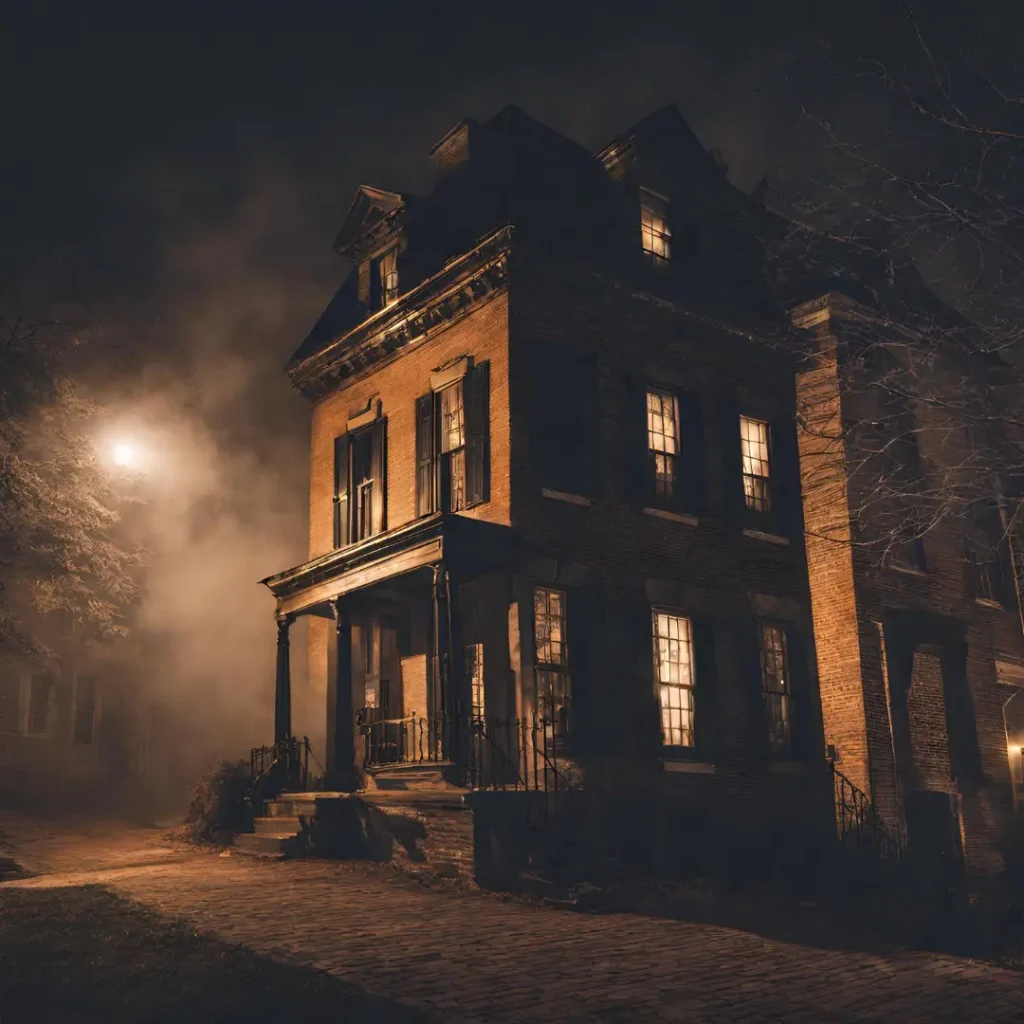
It’s that time of the year when leaves are turning yellow, the air gets crisper, and Philly homeowners are breaking out the Halloween decorations. If you’re looking for something a little more… spectral this season, you might even be considering buying a haunted house.
Whether you’re a believer who gives ghosts the side-eye, or someone enticed by lower prices and more storytelling, here’s what to know before you buy a haunted (or rumored-haunted) property in Philadelphia.
What Is a Haunted House (and how does one qualify)?
Before we go hunting for ghosts, let’s define terms:
A haunted house is usually taken to mean a building believed to be inhabited by spirits—ghosts, unexplained presences, etc. The belief can come from folklore, stories, alleged events, or resident experiences.
In real estate, there is no official category for “haunted.” Instead, such houses typically fall under what’s called a stigmatized property—one that buyers avoid (or price differently) due to psychological or reputational issues rather than physical defects (like bad wiring or structural damage).
Can You Sue for Someone Selling You a Haunted House?
In Pennsylvania, sellers are not legally required to disclose that a house is haunted, that someone died there, or that it has any rumored ghostly activity. These are generally considered non-material issues under state law—meaning they don’t affect the physical condition of the property.
However, there’s one important exception: if a buyer explicitly asks, the seller must answer truthfully. Failure to do so could lead to legal trouble. So, if you have suspicions about a property’s past… ask directly.
As for lawsuits: you generally cannot sue just because a house is haunted, unless the seller lied when asked or intentionally hid a known issue that affected the sale. Even then, such cases are rare and complicated, often relying on proving fraud, misrepresentation, or deception.
Finally, keep in mind that even unfounded rumors can influence resale value. A haunted reputation may make it harder to sell…
Baleroy Mansion, in Chestnut Hill (built in 1911), is often called “the most haunted house in Philadelphia” or even America. Tales of the “Chair of Death,” apparitions, flying teapots, etc., are well-known.
Mortgage, Appraisals & Insurance: Can You Finance a Haunted House?
Good news: yes, you can generally get a mortgage on a haunted house—so long as the house meets standard criteria:
The home must appraise for the value lenders require (i.e. comparable properties, safety, habitability).
Structural safety, utilities, roof, plumbing, electrical etc. need to be in order. Ghosts won’t usually interfere with that!
If the property is dilapidated or unsafe, the mortgage might be harder to get (or interest rates/terms worse), regardless of spectral activity.
Insurance could be trickier depending on perceptions (if anything supernatural causes damage, most insurers will consider that outside coverage), but insurance companies generally care more about physical risk (fire, flood, etc.) than ghosts.
Are Haunted Houses Cheaper?
According to a 2023 Zillow survey (reported by WPVI / 6ABC in Philadelphia), a majority of prospective homebuyers, nearly 70% said they would buy a haunted house if it checked all their boxes (location, size, features, etc.)
More specifically:
~40% said they’d tolerate ghosts if the house had desirable amenities (pool, two-car garage, etc.)
~33% said they would if the price were sufficiently lower than comparable non-haunted houses.
So yes: haunted houses can sometimes present bargains—and also come with less competition—because many buyers will shy away from anything with a ghost story.
Practical Checklist: Doing Your Homework Before You Buy
Here are steps to protect yourself (and possibly sleep better at night):
Ask sellers directly about rumored hauntings, deaths, tragic events. Make it part of your inspection.
Inspect the home thoroughly for physical issues (mold, water damage, electrical, structure). Some haunt-stories are just natural phenomena (drafts, old wiring, pests).
Review local history: Old newspapers, local historians, neighbors. The more you know, the more you can assess whether the haunted reputation is myth, embellishment, or something persistent.
Get a property disclosure / real estate attorney involved, especially if the seller is aware of reputation and has said nothing. See what legal recourse exists.
Consider resale value: Even if you love the story, many buyers will be skittish. How will this play in your neighborhood or school district?
Think about your own comfort: Ghost stories are fun until you’re alone in the attic in the dark, hearing a floorboard. If you’re easily spooked, the cost (in stress) might outweigh any discount. But… if you’re willing to embrace the possibility of sharing your house with unseen roommates (and all that comes with old homes), haunted houses can offer value:
Lower purchase price
Less bidding competition
Unique charm, character, historic features many non-haunted houses lack
But remember: you’re buying more than walls. You’re buying stories, rumors, possible stigma—and that has both psychological and financial weight.
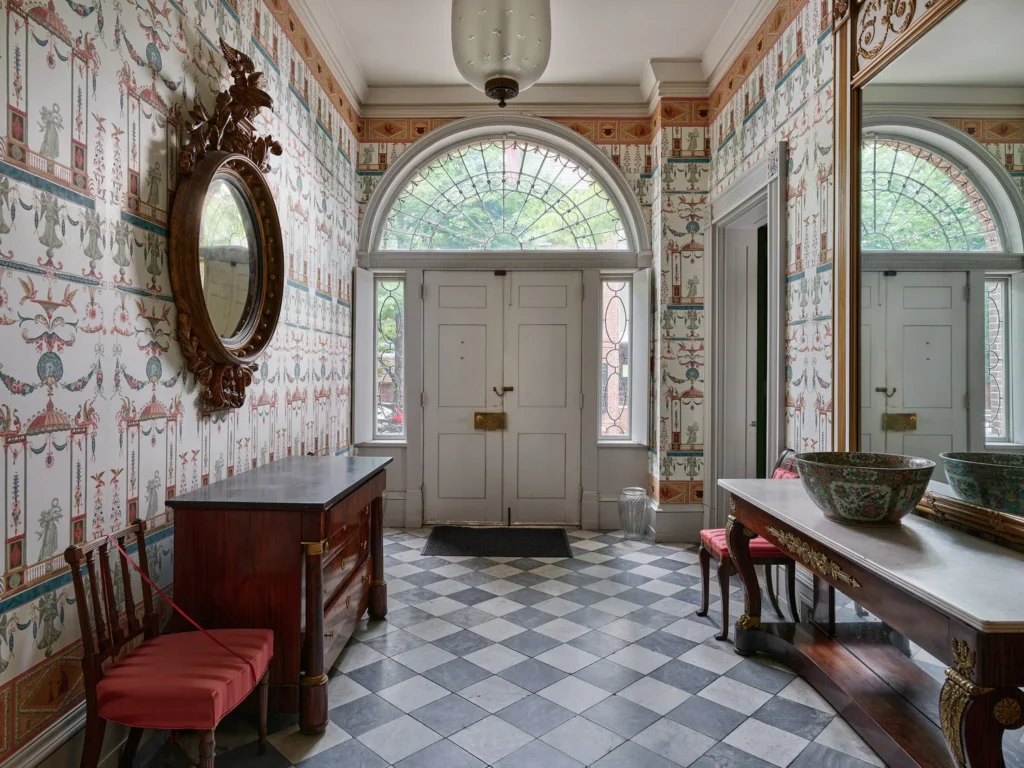
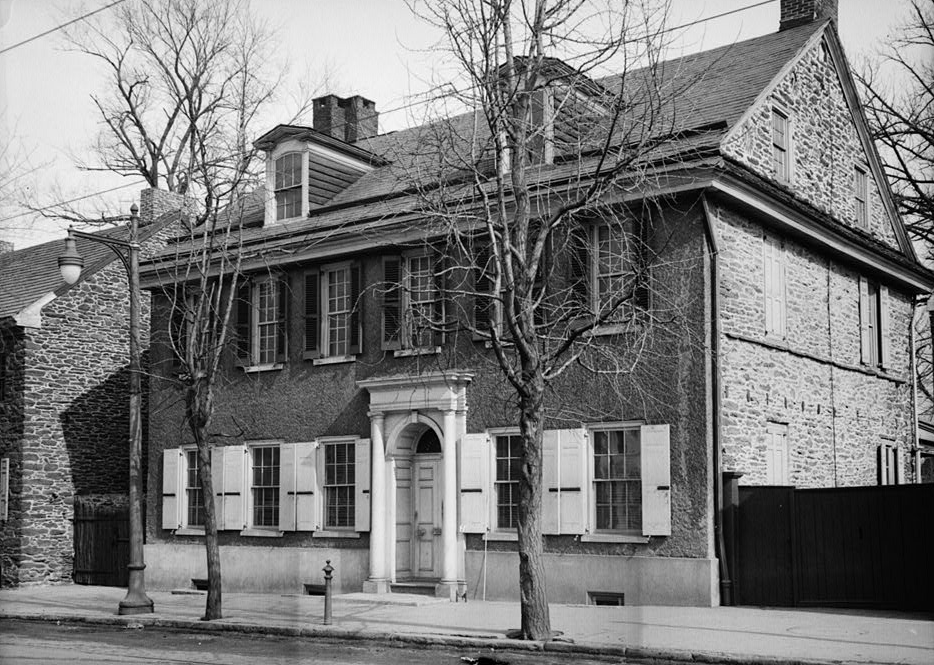
Hill-Physick House, a stately brick structure, is also reputed to have ghosts. (Philly Ghosts)
Final Thoughts
Philadelphia, with its historic neighborhoods and variety of historic homes, is bound to have more houses with haunting tales than many newer cities. If you’re in the market, you may have already come across one without realizing it. Whether you believe in ghosts or not, there’s potential value—and cost—in buying a haunted house.
If you decide to go for it, do so with curiosity, caution, and a sense of humor. And maybe keep a nightlight on. After all, some of the best stories start with, “Once I moved into that old house…”
Thinking about buying a historic home… haunted or not? Contact our Philadelphia real estate agents who know a thing or two about historic properties. We can help you find the right home, uncover its history, and make sure your purchase is a smart one.